Modular Homes vs Traditional Homes in Ireland: Which Is Right for You?
Modular homes vs traditional homes in Ireland — construction time, cost, quality control, energy savings and flexibility compared, so you can choose the right build for you.
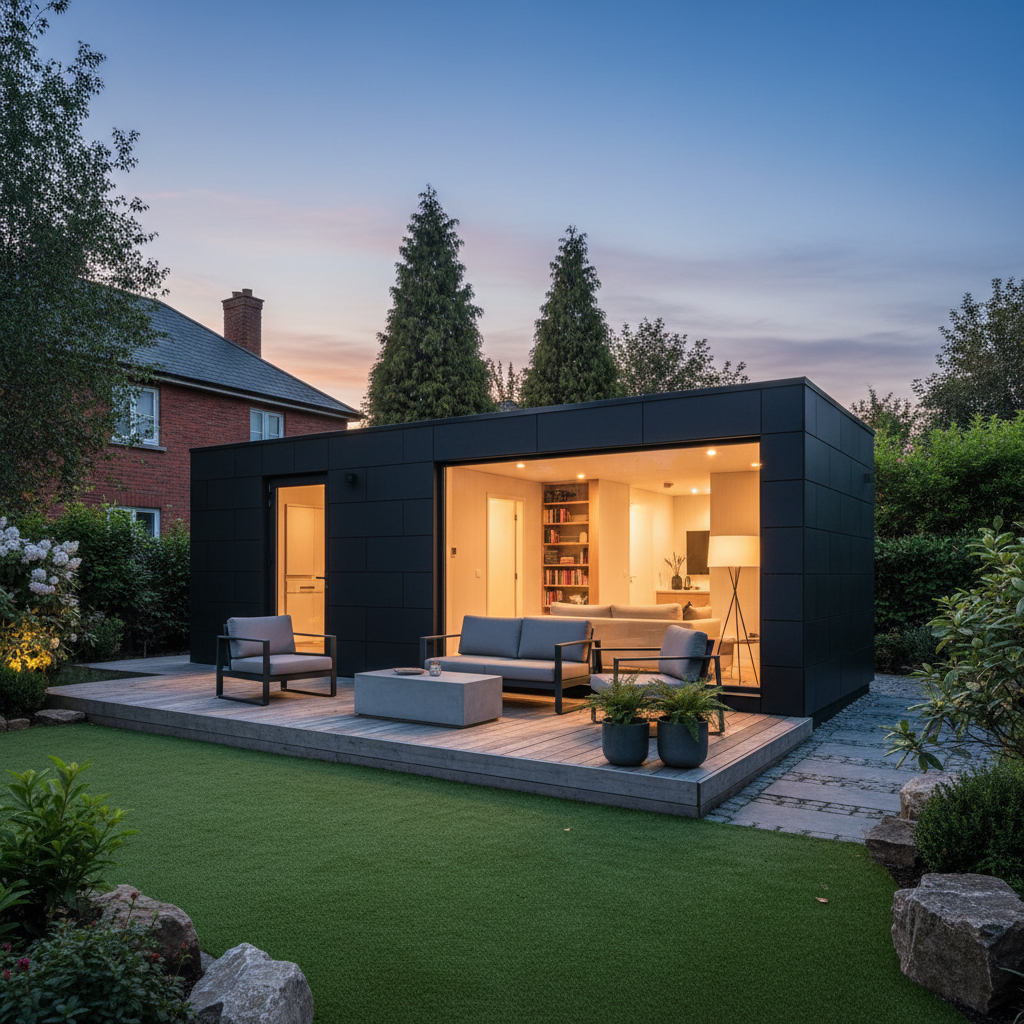
Looking for the full picture? Read our complete guide to modular homes in Ireland.
Modular Homes vs Traditional Homes in Ireland
If you're planning to build a home in Ireland, one of the first decisions you'll face is whether to choose a traditional build or a modular home. Both have their strengths, but modular housing is quickly becoming the smarter, more efficient choice. This guide compares the two across the factors that matter.
1. Construction Time
- Traditional builds can take 12–18 months from breaking ground to handover, often longer with weather delays.
- Modular homes are built in a factory in 8–12 weeks and installed on site in days — a whole home delivered in a fraction of the time.
2. Cost Efficiency
- Traditional builds are open-ended — labour and material costs rise, budgets creep, and the final price is rarely the quoted price.
- Modular builds come with a fixed-price contract. Factory construction reduces labour and material waste, keeping costs controlled.
3. Quality Control
- Traditional builds depend on the skill and availability of on-site trades, in Irish weather, with variable quality.
- Modular builds are factory-built in controlled conditions, to a consistent standard, with precision engineering and inspection at every stage.
4. Energy Savings
- Traditional builds vary — older builds are expensive to heat; even new builds vary by spec.
- Modular homes are designed to achieve an A2 BER standard, with excellent insulation and airtightness as standard — far lower running costs.
See: BER A-Rated Modular Homes in Ireland and U-Values & Energy Efficiency
5. Flexibility & Expansion
- Traditional builds can be extended, but it's disruptive and expensive.
- Modular homes are designed to be extended — add a module later with minimal disruption.
6. Disruption
- Traditional builds mean months of construction noise, dust, deliveries and trades on your site.
- Modular builds mean days on site — the home arrives finished.
Side-by-Side Comparison
| Factor | Modular home | Traditional build | |---|---|---| | Build time | 8–12 weeks + days on site | 12–18 months | | Cost | Fixed-price | Open-ended | | Quality | Factory-controlled | Site-variable | | Energy | Designed to achieve A2 BER standard | Varies | | Weather delay | Minimal (factory build) | Significant | | Disruption | Days | Months | | Extension | Add a module | Disruptive |
Which Is Right for You?
Choose modular if you want speed, a fixed price, A2 BER standard efficiency and low disruption. Choose traditional if you need a highly bespoke one-off design on a complex site, and time and budget are flexible.
For most Irish buyers — especially first-time buyers, downsizers and self-builders — modular is the smarter choice.
Talk to Us
At New Chapter Homes, we build modular homes designed to achieve an A2 BER standard across Ireland. Book a free consultation to compare modular vs traditional for your project.
Key Resources
- Explore our modular homes — the New Chapter Homes range.
- Read the Modular Homes Hub guide — the complete guide to modular homes in Ireland.
- View Chapter One — 2 bed — two-bedroom modular home from €80,000.
- View Chapter Two — Studio pod — studio capsule pod from €65,000.
- View Chapter Three — Compact — compact modular home from €45,000.
- See modular home prices — modular home costs in Ireland.
- Read our planning guide — planning permission for modular homes.
Explore Our Modular Homes
Related Articles
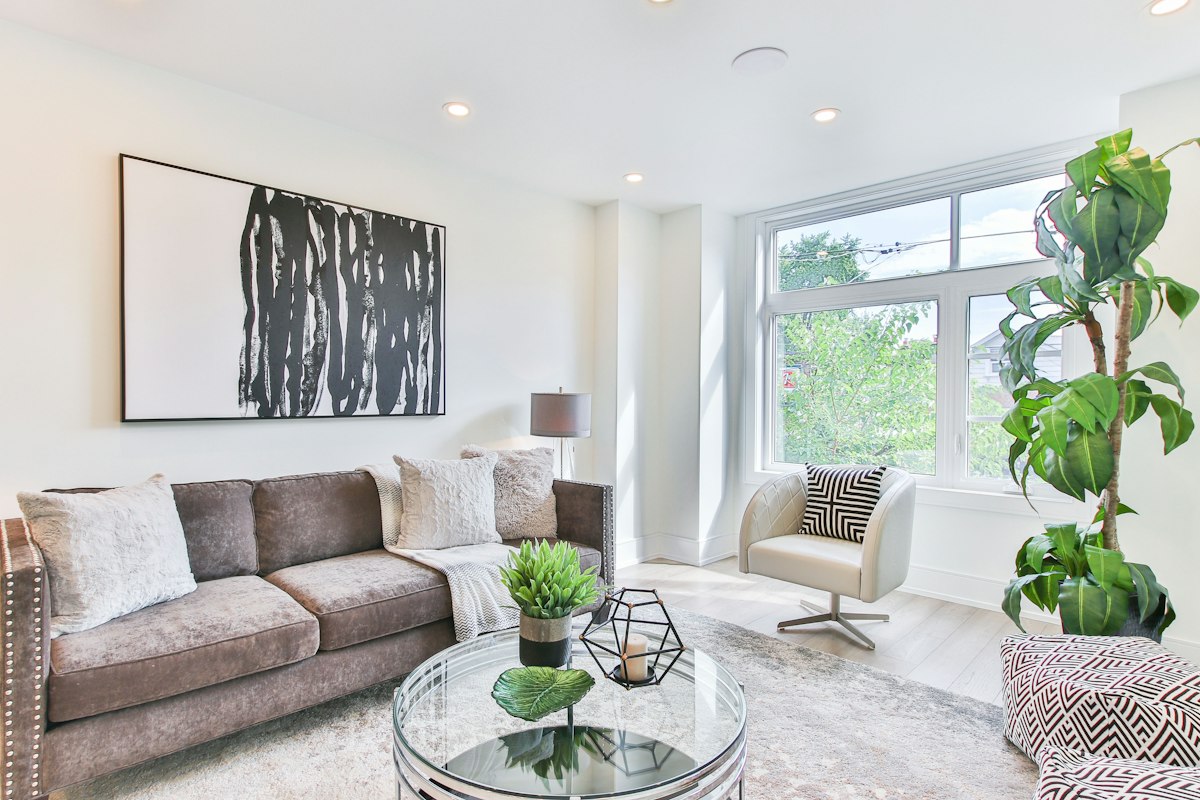
Granny Flats Ireland: Costs, Planning & Rental Income Guide
A practical Irish guide to granny flats and modular granny flats — what they cost, how planning permission works, the realistic rental income potential, energy efficiency and turnkey modular construction from New Chapter Homes.

Outdoor Kitchen Modules & Components: Building Your Garden Kitchen in Ireland
Modular outdoor kitchens let you build the exact layout you want. We break down the core modules and components — from cabinetry and fridges to grills and pizza ovens — and how to configure them for an Irish garden.
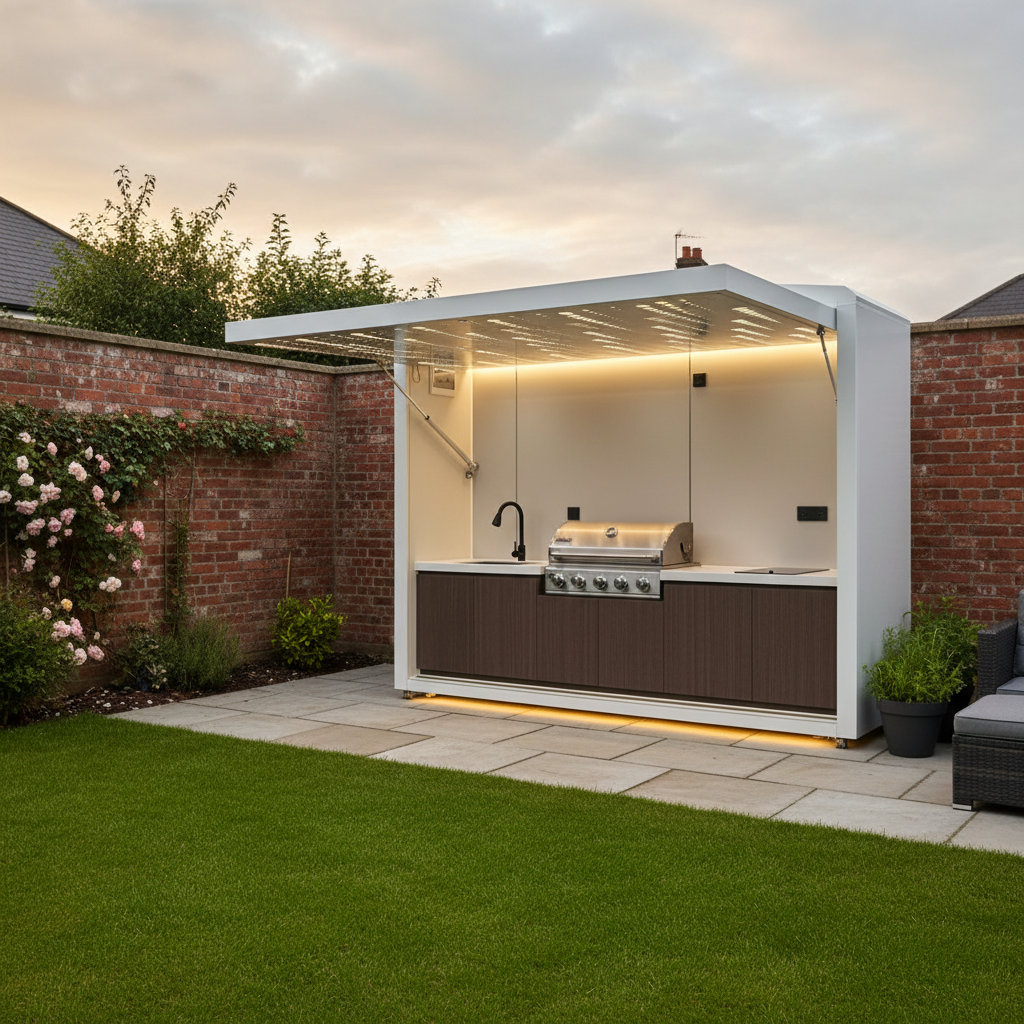
How Much Does an Outdoor Kitchen Cost in Ireland? 2026 Pricing Guide
What does an outdoor kitchen cost in Ireland? From a compact BBQ island to a full entertaining suite with pergola, we break down the pricing factors and what to expect in 2026.
Ready to Start?
Talk to Our Team Today
Get expert advice, a free consultation, and a tailored quote for your project.
Get in Touch