Prefab Homes Ireland: The 2026 Buyer's Guide
Prefab homes in Ireland explained for 2026 — what 'prefab' really means, how it differs from modular, costs, planning, and how to buy a prefab home with confidence.
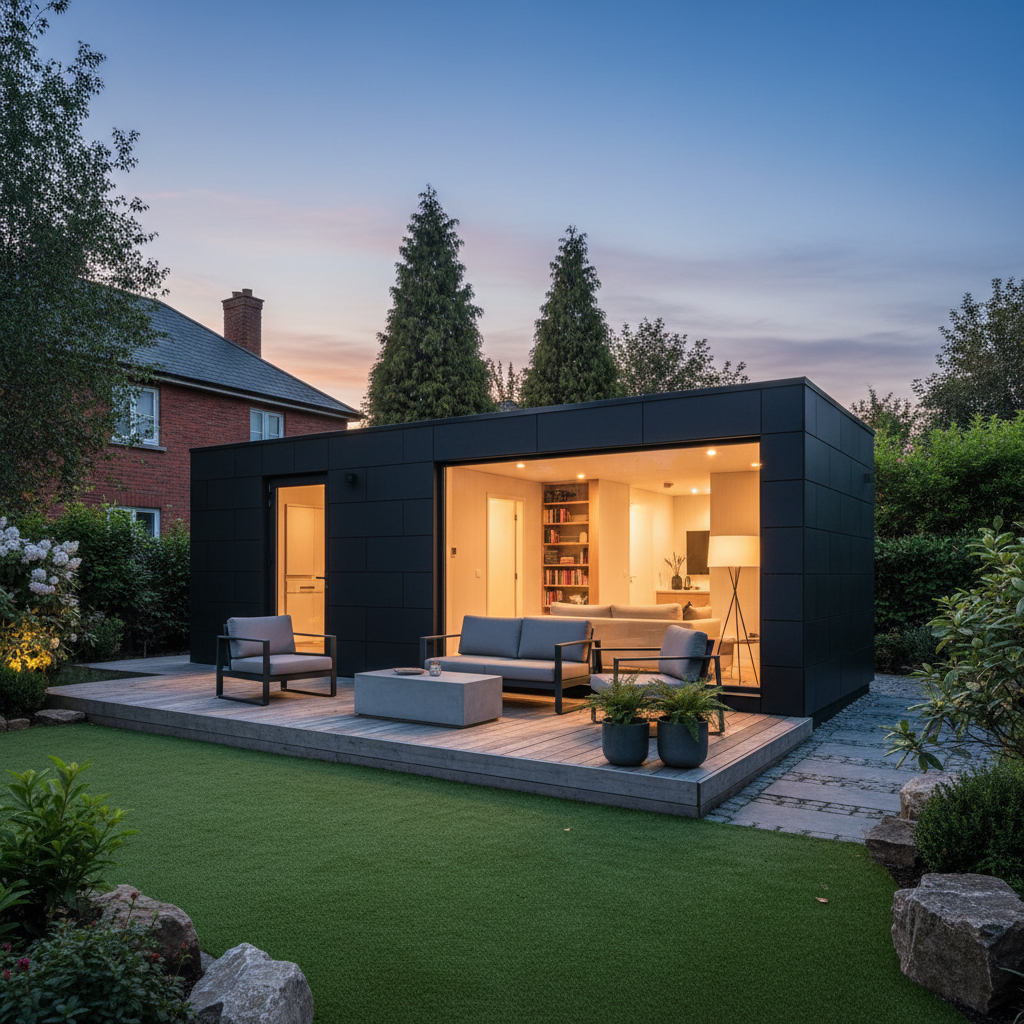
Looking for the full picture? Read our complete guide to modular homes in Ireland.
Prefab Homes in Ireland: The 2026 Buyer's Guide
"Prefab home" is one of the most searched terms in Irish property — and one of the most misunderstood. This guide explains what a prefab home actually is, how it differs from a modular home, what it costs in Ireland, and how to buy one with confidence.
What Is a Prefab Home?
A prefabricated (prefab) home is a building whose components are manufactured off-site in a factory, then assembled on your land. "Prefab" is a broad umbrella that covers several methods:
- Panel-built homes — flat wall and roof panels built in a factory, erected on site.
- Modular homes — whole rooms or modules built in a factory, joined together on site.
- Pods — single, self-contained units (often used for garden rooms and granny flats).
- Timber-frame kits — a timber frame manufactured off-site and finished on site.
In everyday use, "prefab" and "modular" are often used interchangeably — but modular is really a type of prefab, where larger sections arrive finished.
Prefab vs Modular: What's the Difference?
| | Prefab (panel-built) | Modular | |---|---|---| | What's built in the factory | Wall and roof panels | Whole rooms / modules | | What happens on site | Frame erected, then finished on site | Modules joined, minimal on-site finishing | | Speed on site | Moderate | Fast | | Best for | Larger, bespoke homes | Standardised homes, granny flats, pods |
Both are factory-assisted, both are built to the same Building Regulations as a traditional home, and both can be financed through a range of payment plan options.
What Does a Prefab Home Cost in Ireland?
Realistic 2026 ranges:
- Prefab garden pod / studio: from €35,000
- Prefab granny flat (35–45m²): €80,000 – €170,000
- Prefab family home (90–120m²): €180,000 – €280,000
- Bespoke prefab home (130m²+): €280,000 – €450,000+
Per square metre, expect roughly €2,000–€2,800 per m² turnkey.
See our detailed pricing guides: Modular Home Prices Ireland and How Much Is a Modular Home in Ireland?
Do Prefab Homes Need Planning Permission?
Yes — a permanent prefab home used as a dwelling needs planning permission, just like a traditional house. Small garden pods may be exempt under the ancillary structure rules. The Class 3A back-garden exemption (in force from 27 July 2026) may remove the planning requirement for a detached auxiliary dwelling of 32–45m² in some cases, subject to all applicable conditions — see our Back-Garden Modular Home Rules 2026 guide.
How to Buy a Prefab Home in Ireland
- Decide what you need — pod, granny flat, or full home.
- Check planning — confirm what's possible on your site.
- Choose a method — panel-built for bespoke, modular for speed.
- Get a fixed, turnkey quote — with a clear breakdown of what's included.
- Confirm certification — CE mark and Building Regulations compliance.
- Sort finance — mortgage, personal loan or green loan.
- Build — with a reputable, certified manufacturer.
Talk to Us About a Prefab Home
At New Chapter Homes, we build prefab and modular homes across Ireland — certified, turnkey and backed by a clear fixed price. Book a free consultation to talk through your site and your options.
Explore Our Modular Homes
Related Articles
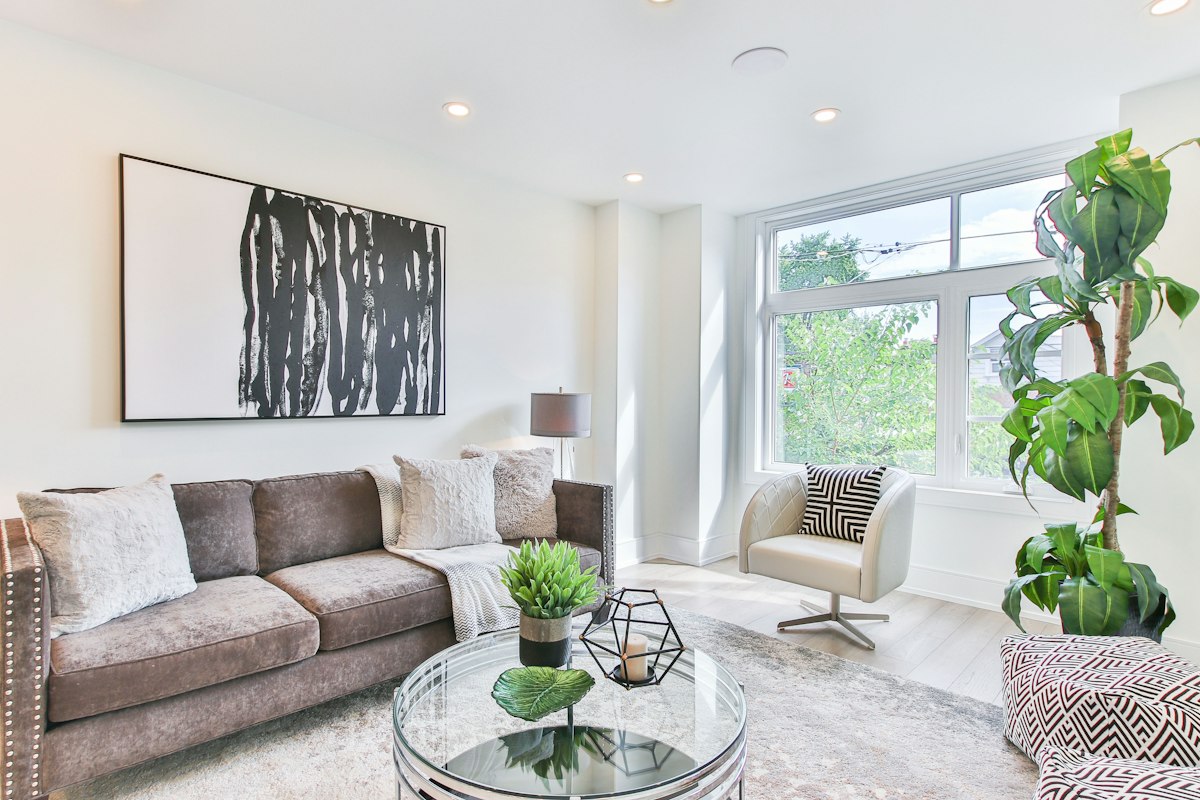
Granny Flats Ireland: Costs, Planning & Rental Income Guide
A practical Irish guide to granny flats and modular granny flats — what they cost, how planning permission works, the realistic rental income potential, energy efficiency and turnkey modular construction from New Chapter Homes.

Outdoor Kitchen Modules & Components: Building Your Garden Kitchen in Ireland
Modular outdoor kitchens let you build the exact layout you want. We break down the core modules and components — from cabinetry and fridges to grills and pizza ovens — and how to configure them for an Irish garden.
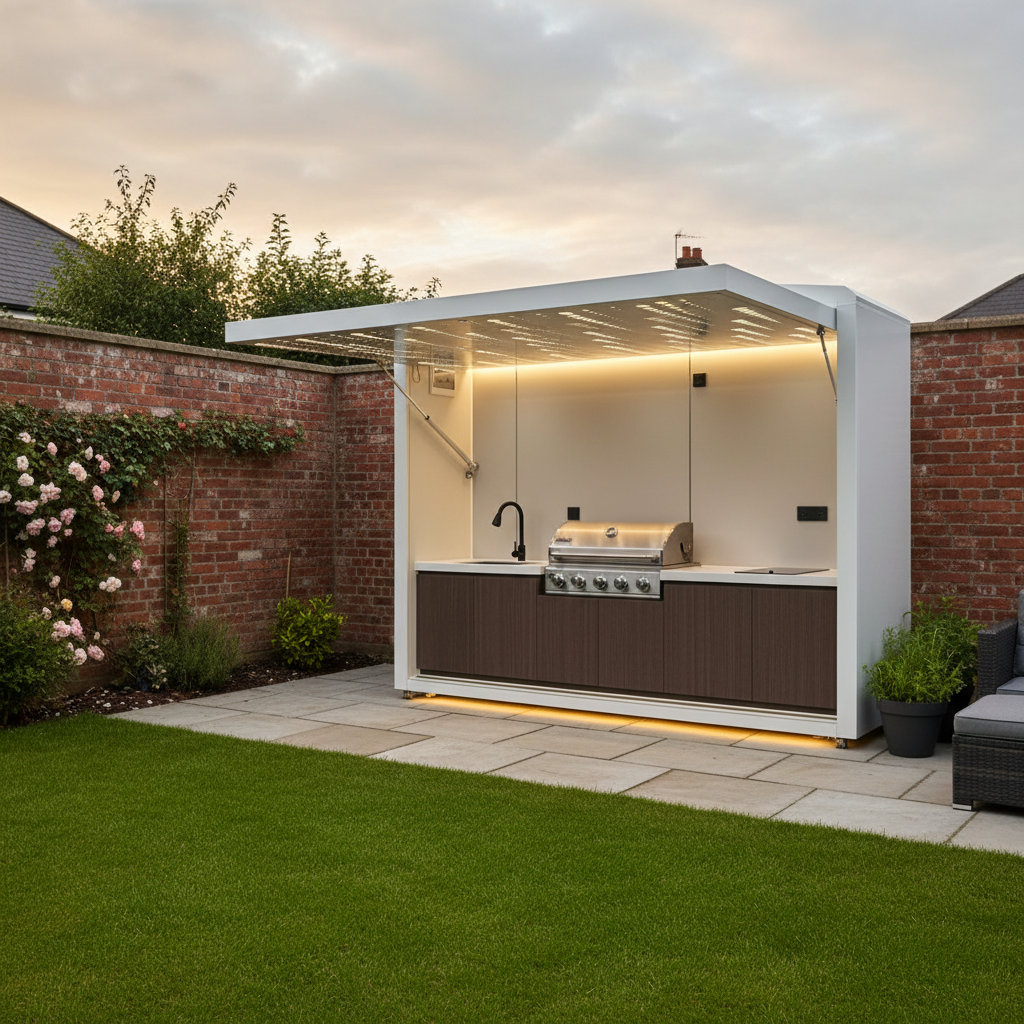
How Much Does an Outdoor Kitchen Cost in Ireland? 2026 Pricing Guide
What does an outdoor kitchen cost in Ireland? From a compact BBQ island to a full entertaining suite with pergola, we break down the pricing factors and what to expect in 2026.
Ready to Start?
Talk to Our Team Today
Get expert advice, a free consultation, and a tailored quote for your project.
Get in Touch