Do I Need Planning Permission for a Garden Pod in Ireland?
A clear, practical answer to whether you need planning permission for a garden pod in Ireland — the exemption rules, the granny flat grey area, and how to stay compliant.
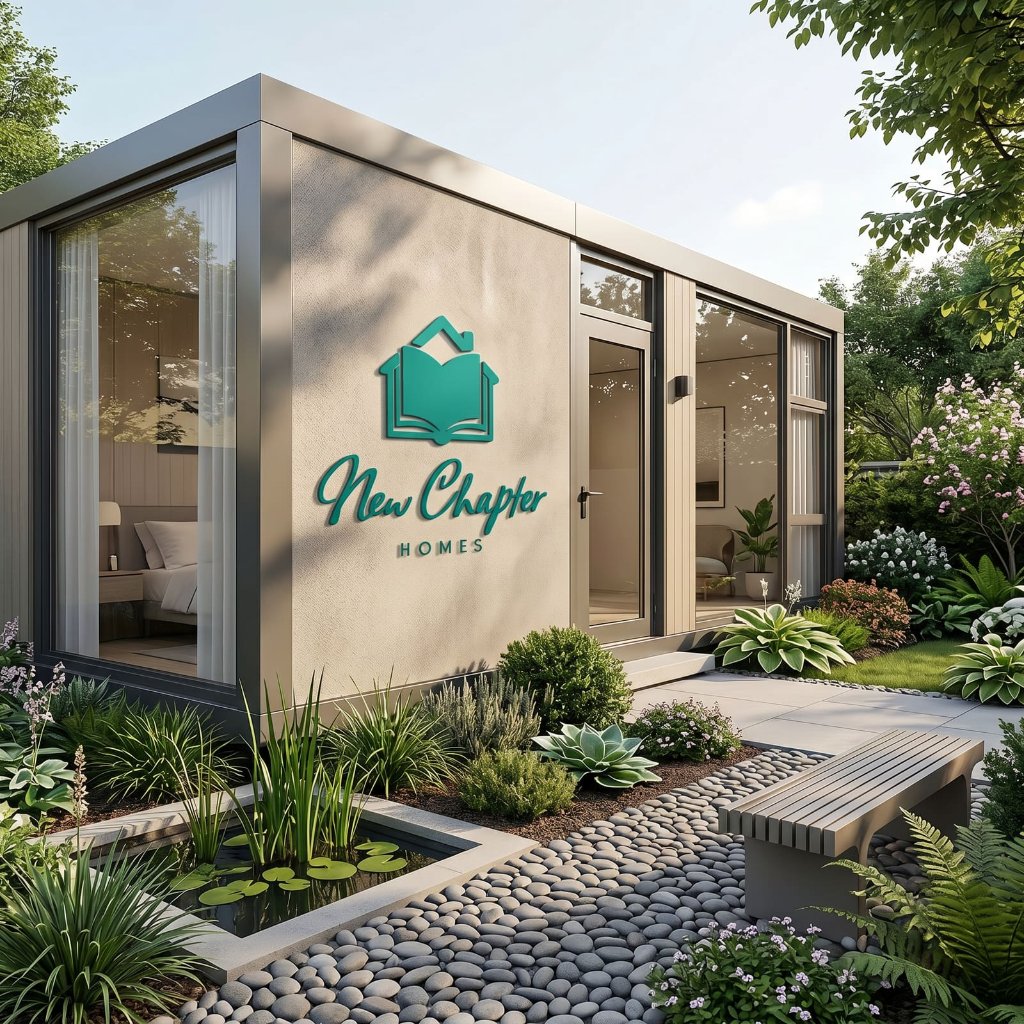
Looking for the full picture? Read our 45m² planning exemption guide.
Do I Need Planning Permission for a Garden Pod?
Planning requirements depend on the proposed use, size, location and circumstances of the property. A standard garden pod may be exempt from planning permission provided it stays within the exempted development rules, but those rules have limits, and crossing them turns an exempt pod into unauthorised development. Here's exactly where the line is.
The Exemption Rules for a Garden Pod
A garden pod is exempt from planning permission in Ireland if all of the following apply:
- Floor area does not exceed 30m² (general garden-structure exemption)
- It is ancillary to the main dwelling — used in connection with the house, by the same household
- It sits at the rear of the house (not to the front)
- It stays within the permitted height limits
- It is set back from boundaries as required by the regulations
- It is not used as a separate self-contained dwelling
A detached auxiliary dwelling of 32–45m² may also qualify for the Class 3A exemption (in force from 27 July 2026), subject to all applicable conditions. If your pod meets all of these, you can install it without a planning application.
What Counts as "Ancillary"?
This is the part that catches people out. "Ancillary" means the pod is used in connection with the main house, by the people who live in that house. Examples of ancillary use:
- A home office
- A home gym
- A yoga or art studio
- A children's playroom
- A hobby or music room
- A guest room used by household members or occasional visitors
These uses are clearly connected to the household and the dwelling — and are exempt (subject to size and siting).
When a Garden Pod DOES Need Planning
You will need planning permission if:
- The pod is larger than 30m² and does not qualify for the Class 3A 32–45m² exemption
- It is used as a separate self-contained dwelling (own kitchen, bathroom, independent occupant)
- It is rented out (e.g. on Airbnb) or used as a holiday let
- It is used as a granny flat occupied independently
- It is sited in front of the house or breaches height/setback limits
- The property is in a protected area with stricter rules
The Granny Flat Question
A garden pod for a dependent relative can be exempt as ancillary accommodation — but only while the use remains genuinely ancillary. The moment it functions as an independent home (separate kitchen, separate bathroom, paying tenant, or independent occupant), it requires planning permission. If you are unsure, treat it as needing permission.
How to Stay Compliant
- Keep the pod under 30m² if you want to rely on the general garden-structure exemption, or ensure it meets all Class 3A conditions if it is a 32–45m² detached auxiliary dwelling.
- Use it for household purposes — office, gym, studio, guest room.
- Don't rent it out or use it as a separate dwelling.
- Check your local rules — protected areas and apartment buildings can have stricter limits.
- Ask the experts — if you're unsure, get advice before you build.
What New Chapter Homes Does
Every garden pod we install is designed to sit within the exemption rules wherever possible, so you can add space to your home without a planning application. Where your project needs permission, we guide you through the process. Book a free site survey to confirm what's possible on your property.
Key Planning Resources
- Read our planning guide — our dedicated planning permission authority page.
- 45m² planning exemption guide — the complete homeowner's guide to the 45 m² exemption.
- Explore garden pods — garden pods and garden rooms hub.
- Explore pods in Ireland — living pods, garden pods and residential pods.
- Explore granny flats — modular granny flats and annexes.
- Explore our modular homes — the New Chapter Homes range.
- Read the Modular Homes Hub guide — the complete guide to modular homes in Ireland.
Explore Our Modular Homes
Related Articles
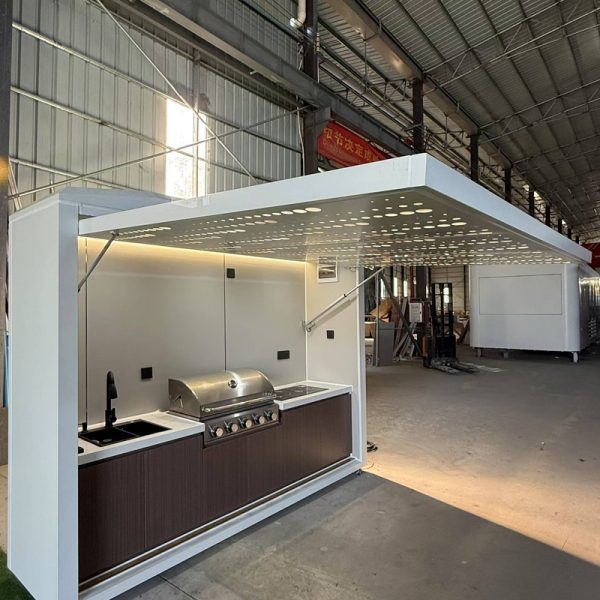
Do You Need Planning Permission for an Outdoor Kitchen in Ireland?
Outdoor kitchens are usually exempt from planning permission in Ireland, but the rules matter. Here is what the Planning and Development Act exemptions mean for your garden kitchen.
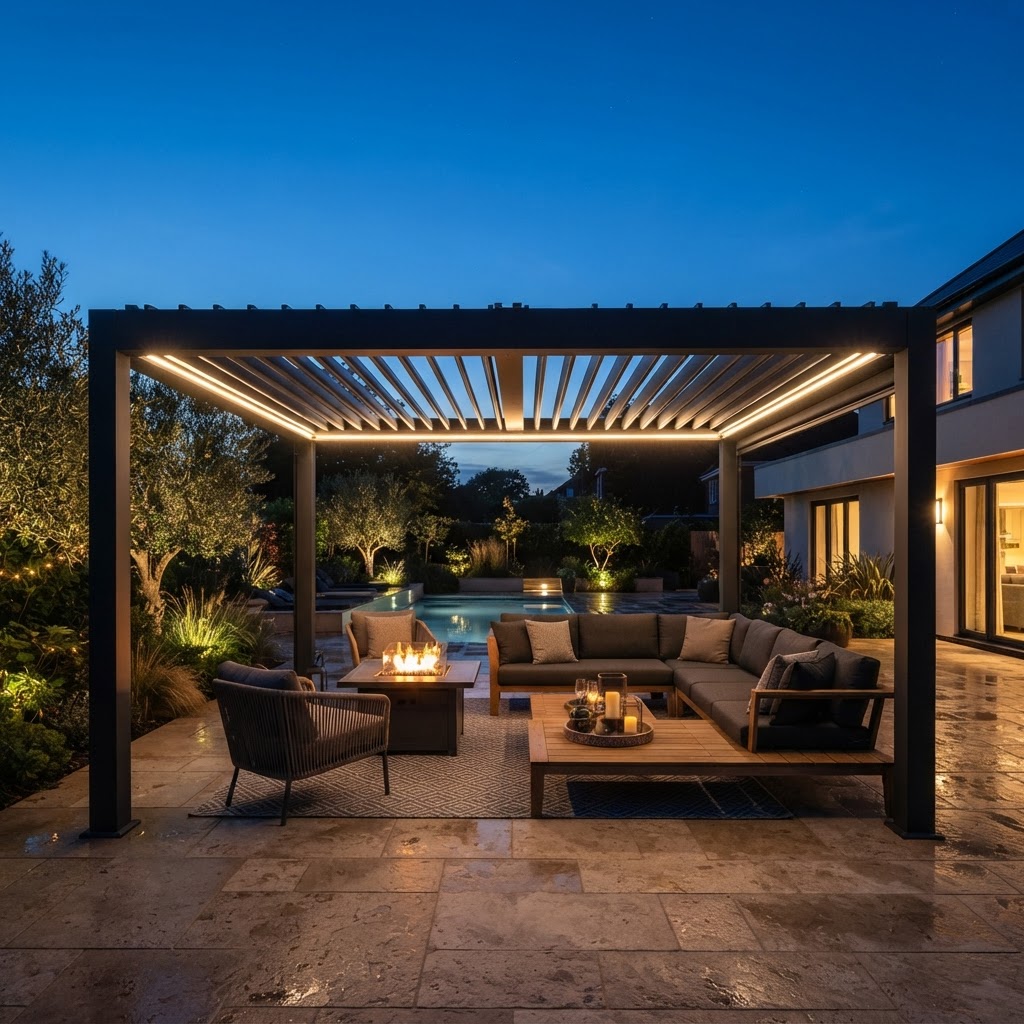
Do Pergolas Need Planning Permission in Ireland?
Do you need planning permission for a pergola in Ireland? The answer depends on the size, height, location and specifics of your project. We explain the key considerations and why a blanket answer is not possible.
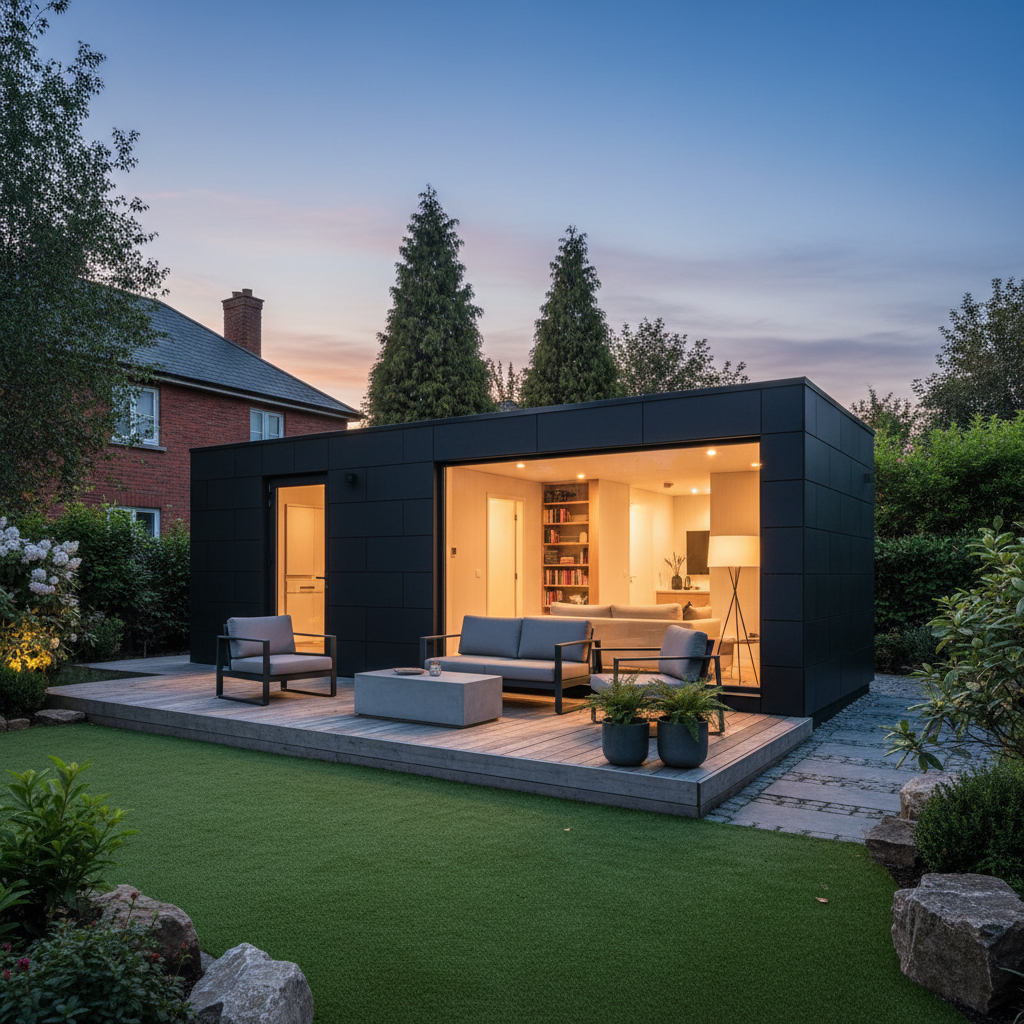
The 45m² Planning Exemption in Ireland: What It Means for Garden Modular Homes
The Class 3A 32–45m² planning exemption for modular homes in Irish back gardens explained — what it covers, what it doesn't, and what you still need to do before you build.
Ready to Start?
Talk to Our Team Today
Get expert advice, a free consultation, and a tailored quote for your project.
Get in Touch