Granny Flat Legislation Ireland 2025: Can You Build One Without Planning?
Irish granny flat law changed in 2025. Learn what counts as an ancillary dwelling, the new exemption limits, and when a granny flat needs full planning permission.
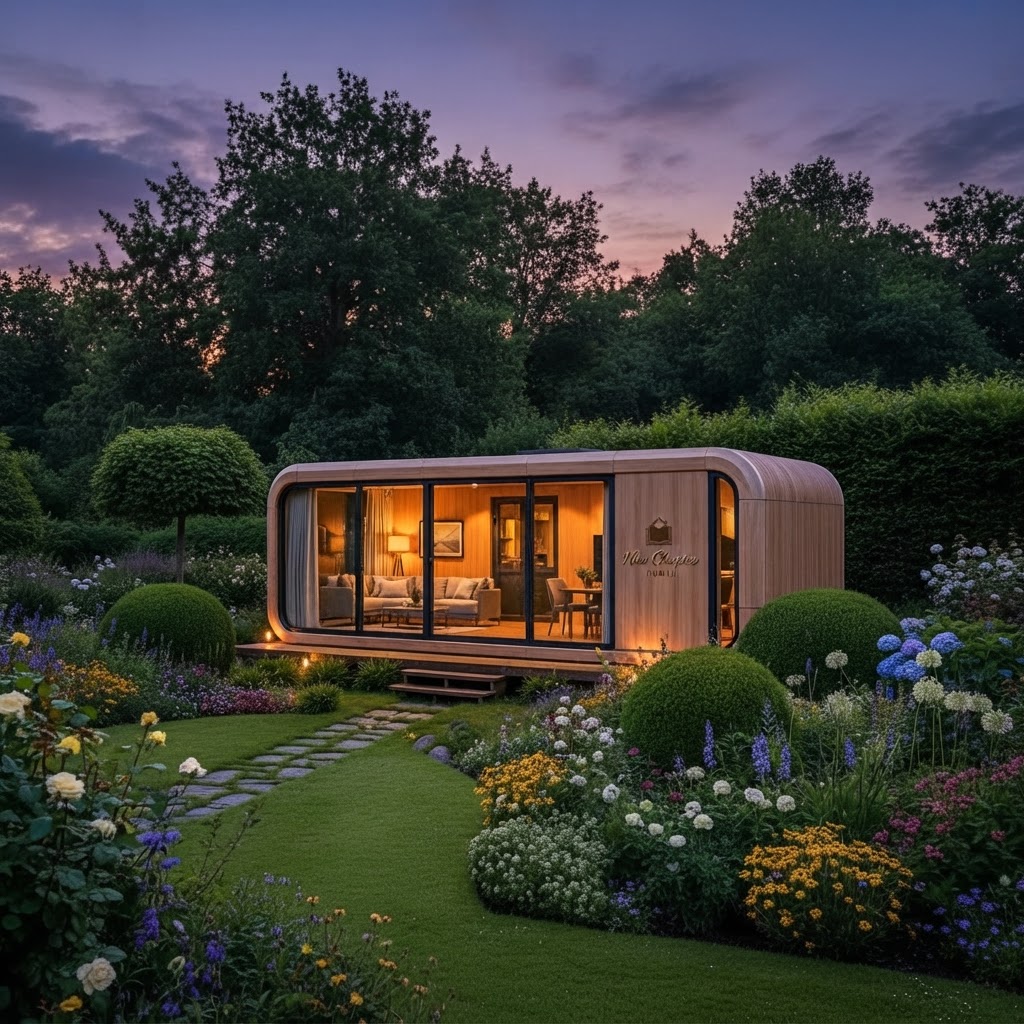
Looking for the full picture? Read our planning permission guide.
What Is a Granny Flat Under Irish Law?
Under Irish planning law, a "granny flat" is not a formal legal term. What people call a granny flat is legally an ancillary dwelling — a self-contained living unit that is associated with and subordinate to the main house on the same plot. The critical legal test is whether the unit is genuinely ancillary to the main dwelling or whether it functions as an independent residence.
2025 Legislative Changes for Granny Flats
The 2025 exempted development regulations brought significant changes for families wanting to accommodate a relative:
- Rear extensions up to 40m² are now exempt, allowing larger ground-floor annexes connected to the main house.
- Garden pods up to 25m² at the rear remain exempt for ancillary domestic use.
- Internal subdivisions of existing homes into two units are now possible under certain conditions — a major change for multi-generational living.
When Is a Granny Flat Exempt?
A granny flat or annex is generally exempt from planning permission if:
- It is physically connected to the main house (e.g., a rear extension).
- It is ancillary to the main dwelling — the occupant is part of the same household.
- It does not exceed the 25m² pod limit or 40m² extension limit.
- It is not let to a non-family member or used as a short-term rental.
- It is behind the rear building line of the house.
When Does a Granny Flat Need Planning Permission?
Full planning permission is required if:
- The unit is a detached, self-contained dwelling with its own entrance, kitchen, and bathroom.
- You intend to rent it out commercially (including Airbnb-style short-term lets, which are now restricted under the Short-Term Letting Act 2025).
- The structure exceeds the exemption size limits.
- The property is a protected structure or in a conservation area.
The Short-Term Letting Ban
The 2025 regulations introduced stricter controls on using exempt garden pods and annexes for short-term holiday lets. If you're planning to use a modular pod for Airbnb, planning permission is now required and in many urban areas (especially the rent pressure zones), short-term letting of a second unit is effectively banned unless you have a specific Tourism Ireland cert.
Modular Granny Flats: The Smart Choice
Modular construction is ideal for granny flats because the build happens off-site — meaning minimal disruption for your family and an elderly relative. Our Chapter Two Series is the most popular choice for ancillary living, offering a fully fitted kitchen, sleeping area and wet-room in a compact footprint.
Book a free site survey and we'll advise whether your granny flat project qualifies for exemption or needs a planning application.
Explore Our Modular Homes
Related Articles

Do You Need Planning Permission for an Outdoor Kitchen in Ireland?
Outdoor kitchens are usually exempt from planning permission in Ireland, but the rules matter. Here is what the Planning and Development Act exemptions mean for your garden kitchen.
Do Pergolas Need Planning Permission in Ireland?
Do you need planning permission for a pergola in Ireland? The answer depends on the size, height, location and specifics of your project. We explain the key considerations and why a blanket answer is not possible.
The 45m² Planning Exemption in Ireland: What It Means for Garden Modular Homes
The Class 3A 32–45m² planning exemption for modular homes in Irish back gardens explained — what it covers, what it doesn't, and what you still need to do before you build.
Ready to Start?
Talk to Our Team Today
Get expert advice, a free consultation, and a tailored quote for your project.
Get in Touch