Short-Term Letting Rules for Modular Pods Ireland 2025: Airbnb Restrictions
The Short-Term Letting Act 2025 restricts using garden pods and modular units for Airbnb in Ireland. Here's what's allowed, what's banned, and how it affects your pod investment.
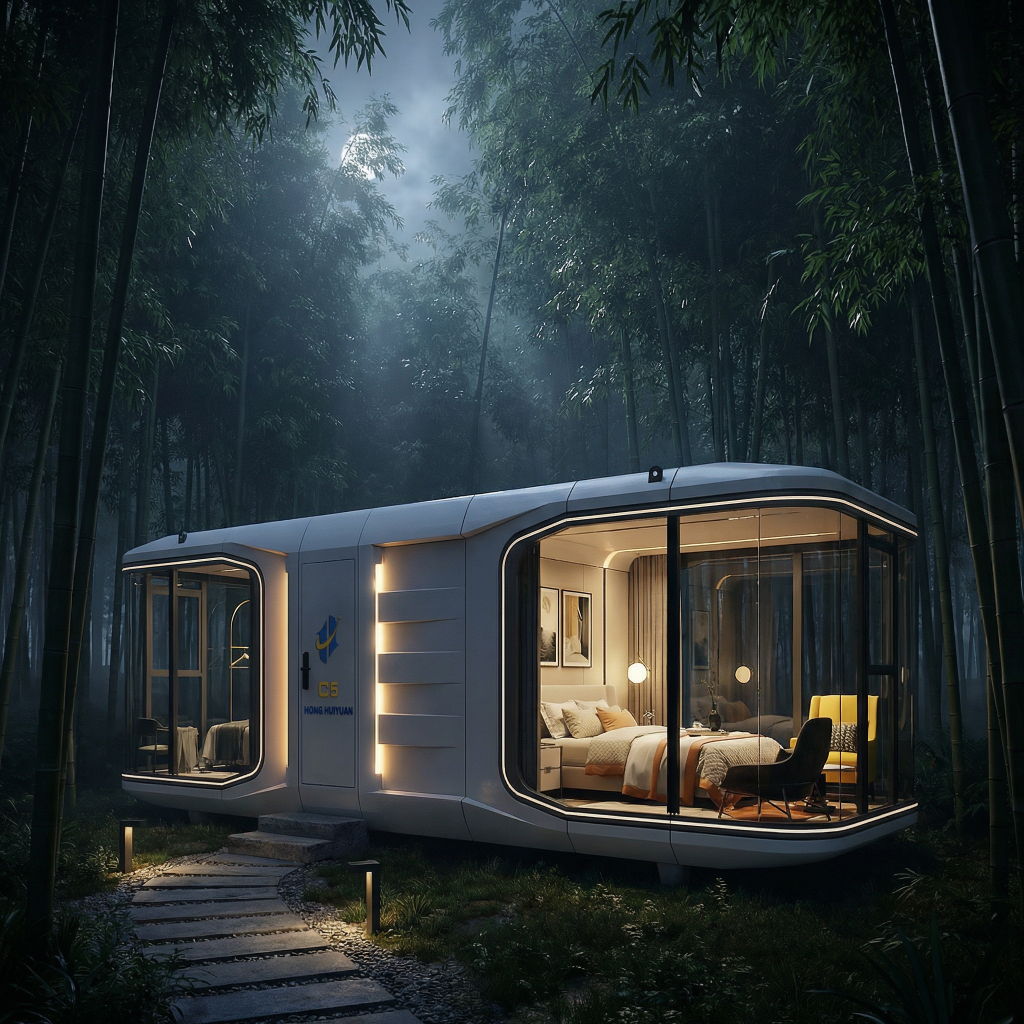
Looking for the full picture? Read our modular home rental income in Ireland.
The Short-Term Letting Act 2025: What Changed?
Ireland's regulation of short-term holiday letting tightened significantly in 2025. The new framework, enforced by local authorities and guided by the EU Short-Term Rental Regulation, restricts the use of residential property — including garden pods and modular units — for short-term holiday accommodation.
Can You Use a Modular Pod for Airbnb?
The short answer: it depends on your location and whether you have planning permission.
- In Rent Pressure Zones (RPZs) — which include Dublin, Cork, Galway, Limerick, Waterford and parts of Kildare — you need planning permission for "tourist use" to let a property short-term. This applies even if the pod itself is exempt from planning as a structure.
- Outside RPZs — the rules are looser, but you may still need to register with your local authority and comply with fire safety and building regulations.
- A garden pod built under the 25m² exemption is for domestic ancillary use only. Using it as a short-term commercial let removes its exempt status and requires full planning permission for change of use.
The Registration Requirement
All short-term lets in Ireland must now be registered with Fáilte Ireland and display a registration number on all listings. Failure to register carries fines of up to €5,000.
What This Means for Modular Pod Buyers
If you're buying a modular pod or capsule primarily for short-term holiday letting:
- Check your zone — if you're in an RPZ, you'll likely need planning permission for tourist use.
- Budget for compliance — fire safety certification, public liability insurance, and registration fees.
- Consider long-term letting instead — the 2025 rules favour long-term residential tenancies, and the government has introduced tax incentives for landlords offering long-term leases.
Where Modular Pods Still Work for Hospitality
Despite the restrictions, modular pods remain excellent for:
- Family accommodation — housing a relative or adult child.
- Long-term rental — a proper residential tenancy is generally fine, subject to RPZ rent caps.
- Your own holiday retreat — a personal holiday home used by you and family.
- Rural tourism — outside RPZs, with proper planning, pods can serve as high-end glamping accommodation.
How We Advise
At New Chapter Homes, we discuss your intended use upfront. If you're planning a tourism venture, we'll design the pod to meet commercial fire and safety standards and guide you through the planning process. If it's for family use, we'll keep it within the exempted development framework.
Book a free consultation to discuss your plans.
Explore Our Modular Homes
Related Articles

Do You Need Planning Permission for an Outdoor Kitchen in Ireland?
Outdoor kitchens are usually exempt from planning permission in Ireland, but the rules matter. Here is what the Planning and Development Act exemptions mean for your garden kitchen.
Do Pergolas Need Planning Permission in Ireland?
Do you need planning permission for a pergola in Ireland? The answer depends on the size, height, location and specifics of your project. We explain the key considerations and why a blanket answer is not possible.
The 45m² Planning Exemption in Ireland: What It Means for Garden Modular Homes
The Class 3A 32–45m² planning exemption for modular homes in Irish back gardens explained — what it covers, what it doesn't, and what you still need to do before you build.
Ready to Start?
Talk to Our Team Today
Get expert advice, a free consultation, and a tailored quote for your project.
Get in Touch