Irish Building Regulations for Modular Construction 2025: BCAR, Part L & Part M
Modular homes in Ireland must comply with the same building regulations as traditional builds — BCAR, Part L (energy), Part M (accessibility) and more. Here's what every buyer should know.

Looking for the full picture? Read our complete guide to modular homes in Ireland.
Do Modular Homes Comply with Irish Building Regulations?
Yes — completely. A modular home in Ireland is subject to the exact same building regulations as a traditional site-built house. There is no separate, lower standard for factory-built housing. Every New Chapter Homes build complies fully with:
- Building Control (Amendment) Regulations 2014 (BCAR) — the statutory framework for building control.
- Part L (Conservation of Fuel and Energy) — the NZEB energy standard.
- Part B (Fire Safety) — fire resistance, detection, and escape.
- Part M (Access and Use) — accessibility requirements.
- Technical Guidance Documents (TGDs) — the detailed technical standards.
BCAR and Modular Construction
BCAR (Building Control Amendment Regulations) is the cornerstone of Irish building control. It requires:
- Commencement notice filed with the local authority before work begins.
- Assigned Certifier — a registered professional who signs off on compliance.
- Design Certifier — confirms the design meets regulations.
- Builder's completion certificate — the builder certifies the work.
- Inspection plan — a schedule of inspections during construction.
For modular construction, the BCAR process is the same — but it's actually easier to demonstrate compliance because factory construction allows for more consistent quality control and documented inspection points during the manufacturing stage.
Part L: Energy (NZEB)
As covered in our NZEB article, all new dwellings must achieve BER A2 or better. Modular homes excel here because factory-built modules have superior airtightness and insulation consistency. Our homes typically achieve A2 ratings straight from the factory.
Part B: Fire Safety
Modular homes must meet the same fire safety standards as traditional builds:
- 30-minute (or 60-minute for larger homes) fire resistance on structural elements.
- Mains-wired smoke and heat detectors.
- Protected escape routes.
- Properly fire-stopped service penetrations.
Factory construction actually improves fire safety because fire-stopping and compartmentation are installed in controlled conditions, not rushed on a wet site.
Part M: Accessibility
Part M requires new dwellings to be visitable and usable by people with disabilities. This includes:
- Level access at the front door.
- A downstairs WC (in two-storey homes).
- Wide doorways and circulation space.
- Switches and sockets at accessible heights.
Our Chapter Three Series compact homes are designed to Part M standards from the outset.
CE and NSAI Certification
In addition to building regulations, modular components should carry:
- CE marking — confirming compliance with EU construction product regulations.
- NSAI (National Standards Authority of Ireland) certification — the Irish national standard.
Every New Chapter Homes build carries both. When you buy from us, you receive a full certification pack at handover — BER certificate, BCAR completion certificate, and all technical documentation.
Why This Matters for Buyers
The key message: a properly certified modular home is legally identical to a traditionally built house. It carries the same regulatory standing, the same protections, and the same market value. The difference is simply in how it was built — and modular's factory process often produces a higher quality, more consistent result.
Contact New Chapter Homes to learn more about our certification process.
Explore New Chapter Homes
- Compare Our Models — Compare Chapter One, Two and Three side by side
- Modular Homes Ireland — Full range of turnkey modular homes
- Get in Touch — Book a free site survey today
Explore Our Modular Homes
Related Articles

Do You Need Planning Permission for an Outdoor Kitchen in Ireland?
Outdoor kitchens are usually exempt from planning permission in Ireland, but the rules matter. Here is what the Planning and Development Act exemptions mean for your garden kitchen.
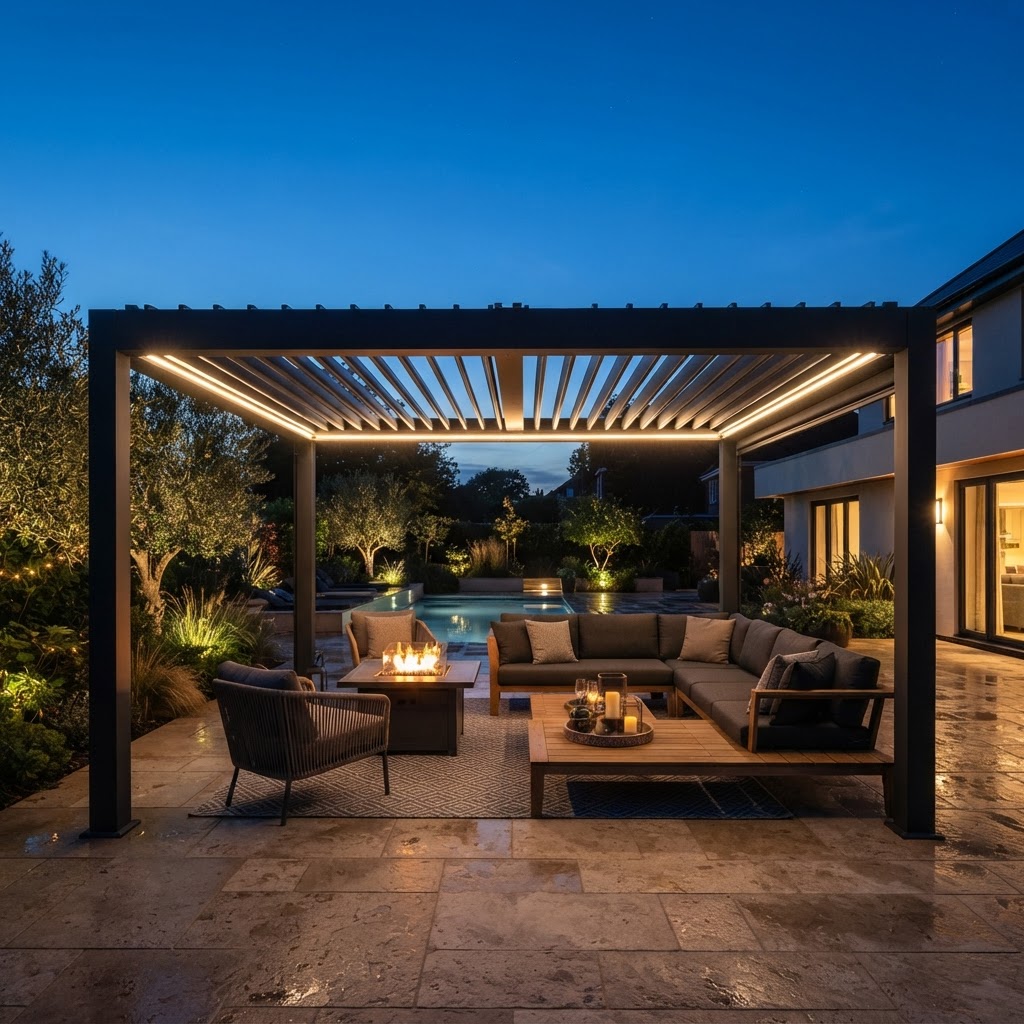
Do Pergolas Need Planning Permission in Ireland?
Do you need planning permission for a pergola in Ireland? The answer depends on the size, height, location and specifics of your project. We explain the key considerations and why a blanket answer is not possible.
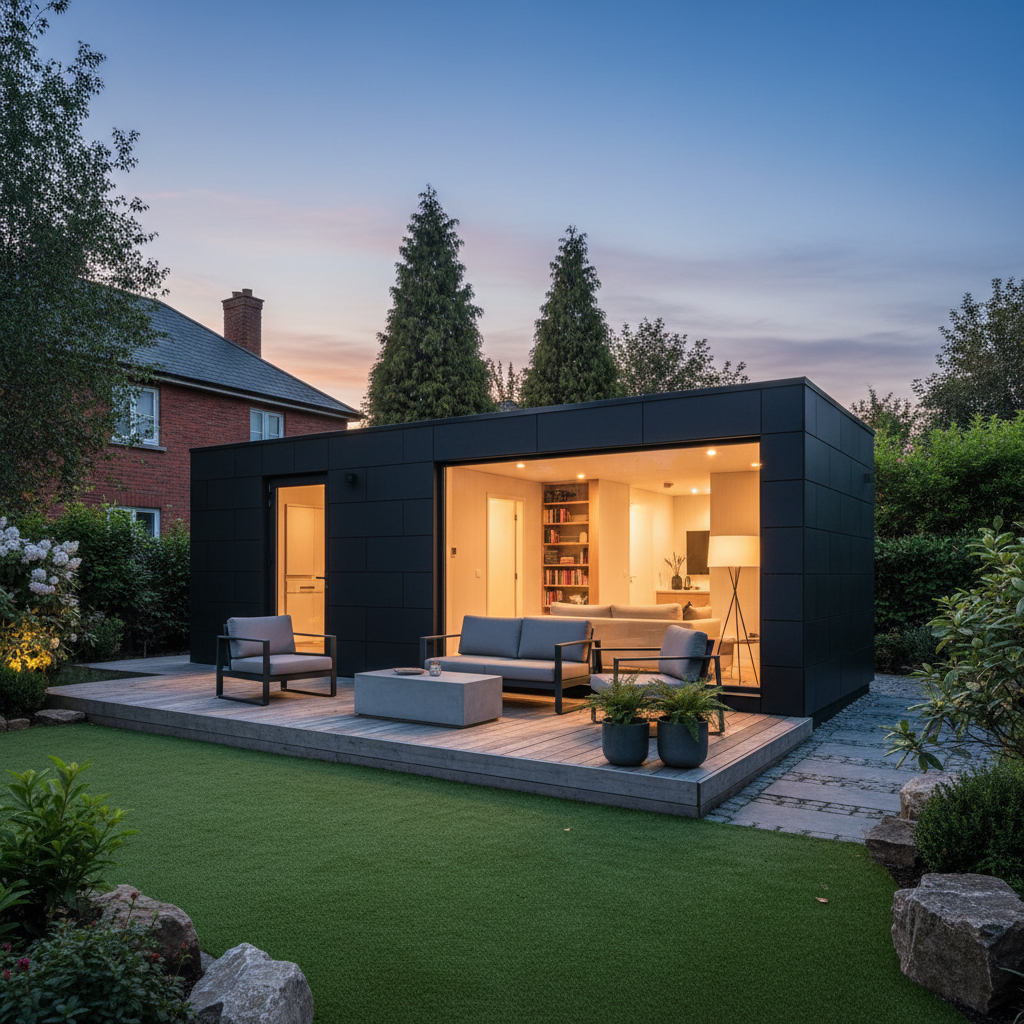
The 45m² Planning Exemption in Ireland: What It Means for Garden Modular Homes
The Class 3A 32–45m² planning exemption for modular homes in Irish back gardens explained — what it covers, what it doesn't, and what you still need to do before you build.
Ready to Start?
Talk to Our Team Today
Get expert advice, a free consultation, and a tailored quote for your project.
Get in Touch