How Long Do Modular Homes Last? Lifespan & Durability in Ireland
How long does a modular home actually last in the Irish climate? Lifespan, durability, maintenance, and why a certified modular home lasts as long as a traditional build.
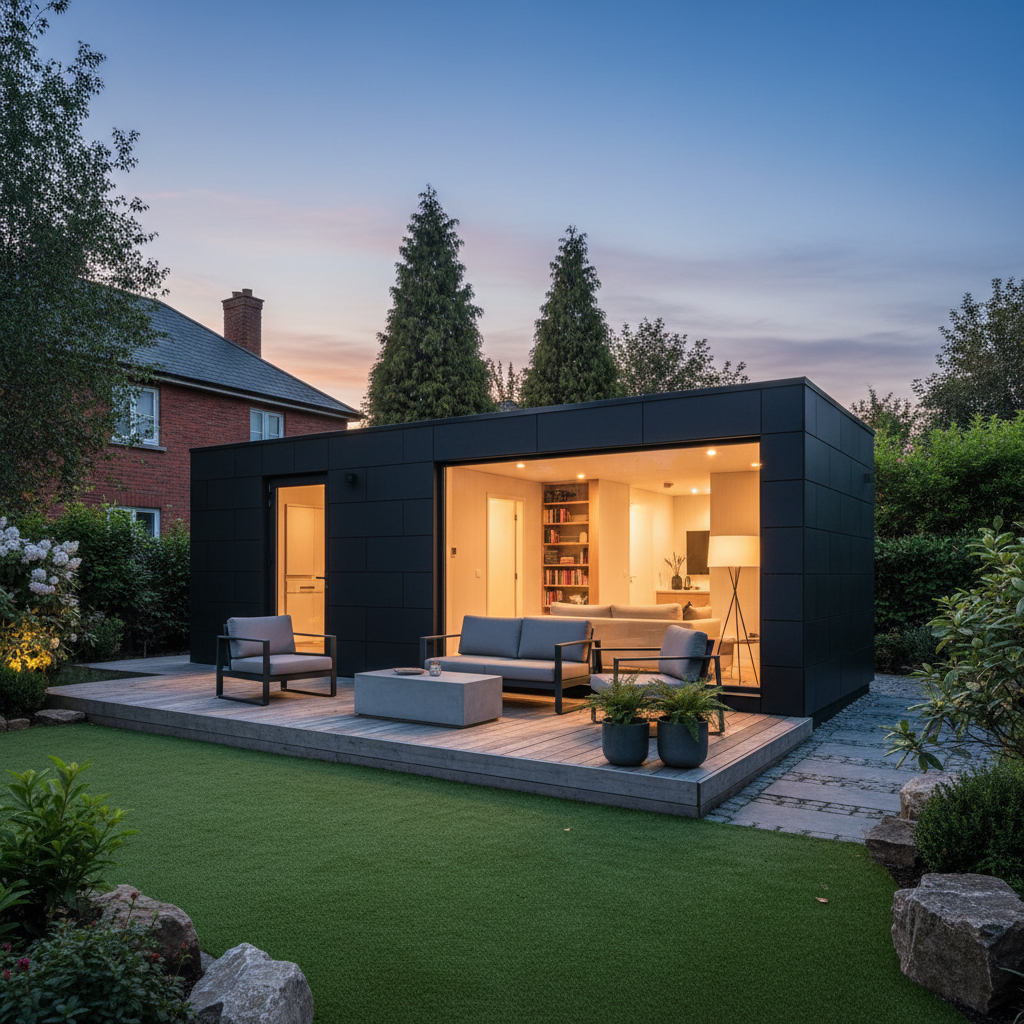
Looking for the full picture? Read our complete guide to modular homes in Ireland.
How Long Do Modular Homes Last?
A common worry for buyers is whether a modular home will last. The honest answer: a properly built, certified modular home lasts as long as a traditional block-built house — typically 60 years or more, with the same maintenance you'd give any home.
This guide explains the lifespan of a modular home in the Irish climate, what affects durability, and how to make sure your build goes the distance.
The Short Answer
- Permanent, certified modular home: 60+ years, comparable to a traditional build.
- Garden pod (quality build): 25–40+ years with basic maintenance.
- Cheap, uncertified units: significantly less — often 10–15 years before problems.
The difference is not "modular vs traditional" — it's certified, well-built vs cheap and uncertified.
What Affects a Modular Home's Lifespan?
- Build quality and certification — CE-marked, Building-Regulations-compliant homes are built to last.
- Foundation — a permanent foundation (concrete or engineered ground screws) is essential.
- External cladding — quality cladding (fibre cement, timber, brick, metal) protects the structure.
- Roof system — a proper, weatherproof roof is the single biggest factor in longevity.
- Insulation and ventilation — good insulation plus proper ventilation prevents condensation and rot.
- Maintenance — like any home, a modular home needs periodic upkeep.
The Irish Climate Factor
Ireland's wet, windy climate is tough on any building. The things that matter most here are:
- A weatherproof, breathable wall system — to stop rain penetration without trapping moisture.
- A robust roof — designed for Irish wind and rain loads.
- Stainless or coated fixings — to prevent corrosion in a marine climate.
- Good drainage around the foundation — to stop water pooling against the structure.
A certified modular home is engineered for exactly these conditions.
How to Make Your Modular Home Last
- Buy certified — CE mark and Building Regulations compliance.
- Use a permanent foundation — not temporary blocks.
- Maintain the cladding — re-treat timber, clean render, check coatings every few years.
- Keep gutters and drainage clear — the most common cause of damage in any home.
- Service the mechanical systems — boiler/heat pump, ventilation, electrics, as you would in any house.
- Use a reputable installer — a good install is the difference between 30 years and 60+ years.
Modular vs Traditional: Lifespan Comparison
| Factor | Certified modular home | Traditional block build | |---|---|---| | Structural lifespan | 60+ years | 60–100+ years | | Maintenance needs | Similar | Similar | | Weather resistance | Engineered for Irish climate | Built on site for Irish climate | | Warranty | Typically 10-year structural | Typically 10-year structural |
In practice, the lifespans are comparable — the deciding factor is build quality, not construction method.
Talk to Us About a Build That Lasts
At New Chapter Homes, every unit we build is certified, properly founded, and engineered for the Irish climate. Book a free consultation to talk through a build that will last.
Explore Our Modular Homes
Related Articles
Outdoor Kitchen Brands Ireland: How to Choose Between Bull, Whistler, Beefeater & Cabinex
Bull, Whistler, Beefeater or Cabinex — which outdoor kitchen brand is right for your Irish garden? We compare the options and explain how a bespoke, installed kitchen compares.
Modular Home Transportation in Ireland: How Your Home Is Delivered
Modular home transportation in Ireland — how a factory-built home is transported to your site, the logistics, access requirements, and what's included as standard.
Modular Home Exterior Finishes in Ireland: Plastered, Brick & Timber
Modular home exterior finishes in Ireland — plastered render, brick and timber cladding options compared, with maintenance, cost and look for each.
Ready to Start?
Talk to Our Team Today
Get expert advice, a free consultation, and a tailored quote for your project.
Get in Touch